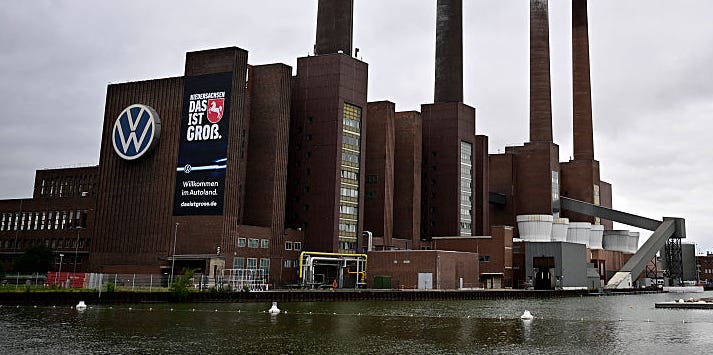
Volkswagen Group announced plans to focus on the most attractive market segments, which could result in cutting half of its current models. Following a supervisory board meeting at Volkswagen's headquarters in Wolfsburg, the automaker revealed widespread plans to reconfigure across its brands. The plans are largely centered on reducing overall production capacity and paring down the current offer sheet by up to half.
The executive board's future plan made clear that it plans to cut models from less attractive segments, with potentially half of all models slated for elimination. This is just the latest step in reconfiguring the portfolio as VW targets increased margins in place of traditional sales volume for its long-term financial stability. Back in April, CEO Oliver Blume confirmed plans to reduce global production capacity from 12 million annually to just 9 million, which was reiterated during today’s rollout.
 View Price on Amazon
"The cost reductions planned to date under the agreed programs are not sufficient in the current economic and geopolitical environment. We must instead fundamentally realign our business model and achieve structural, sustainable improvements," CFO Arno Antlitz said in a statement. "We can only achieve this by substantially reducing complexity—in our product portfolio and technology platforms, in the number of units and decision-making levels."
A reduction in capacity tends to come with a need for fewer employees. Reuters reports that sources close to the matter say that Blume has vocalized plans to cut up to 100,000 jobs, as a result of closing four German production facilities. This claim, though unsubstantiated, has drawn massive crowds of protesters across the brand’s German sites.
VW is undeniably in a tough spot. Overcapacity at home, underwhelming electric vehicles, pressures from China, and tariffs from the United States have all come together to create a very difficult scenario for any company. That said, the brand still produces a lot of cars that we’re pretty fond of, especially across its more premium nameplates. What this means exactly for the likes of Porsche, Lamborghini, and Audi will have to be seen, but they might not be fully protected, either.
Source: roadandtrack.com