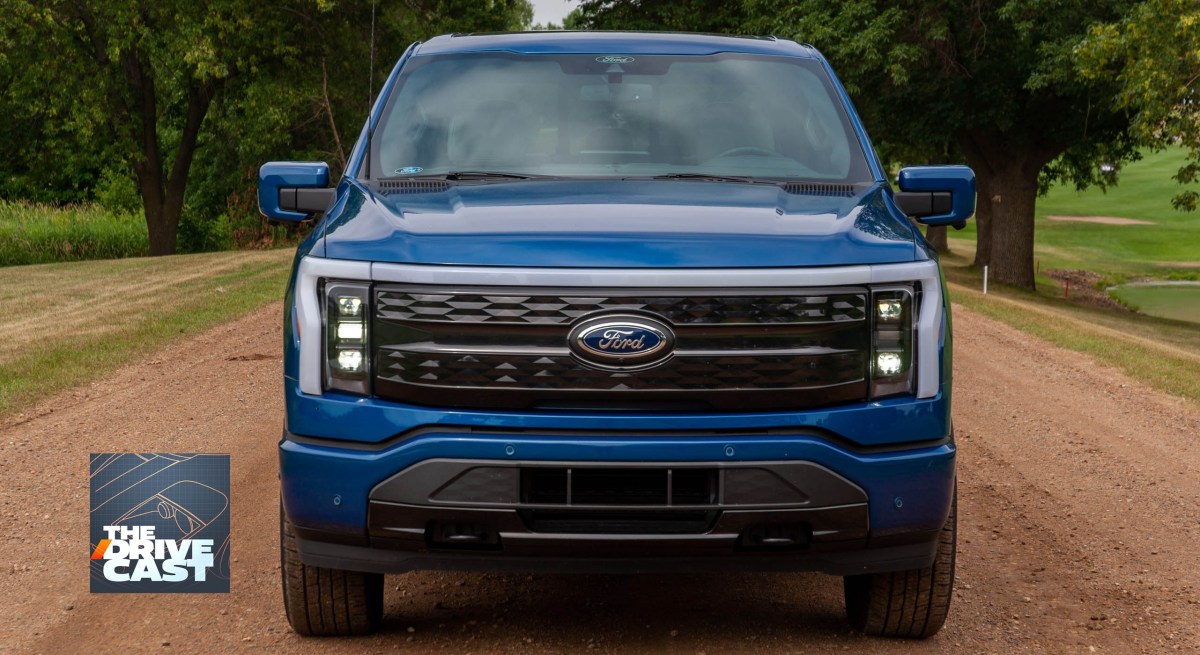
A few years ago, it seemed like the auto industry was shifting towards electric vehicles at a rapid pace. Automakers like Ford, GM, and Ram were investing heavily in electric trucks, with some even resurrecting classic nameplates like the Ford F-150 Lightning. However, things didn't quite play out as expected.
GM went all-in on a dedicated platform with huge batteries for mega trucks, featuring eye-popping range. Ford made a normal-looking F-150 that just happened to be electric. Meanwhile, Ram never even launched its electric truck with ridiculous specs before killing it off. Startups like Rivian and Tesla laid the groundwork for a path forward, while competitors took notes.
 View Price on Amazon
The first generation of electric trucks brought forth an arms race of who can do what, but things didn’t play out as planned. These money-losing vehicles can be filed as flops and false starts. While Ram killed its electric truck before even launching it, Ford bailed out on the F-150 Lightning, and GM’s stuck with things, for now. But sales are about 3% of what the automotive giant has originally predicted.
The next crop of electric trucks are taking shape with smaller footprints, smaller battery packs, less power, and less capability, but much lower price tags. On the latest episode of The Drivecast, we discuss the short-lived history of the electric trucks we saw come, go, and flounder, how we got here, where the market is today, what the next-generation of electric trucks look like, and whether an electric truck even makes sense.
Source: thedrive.com

