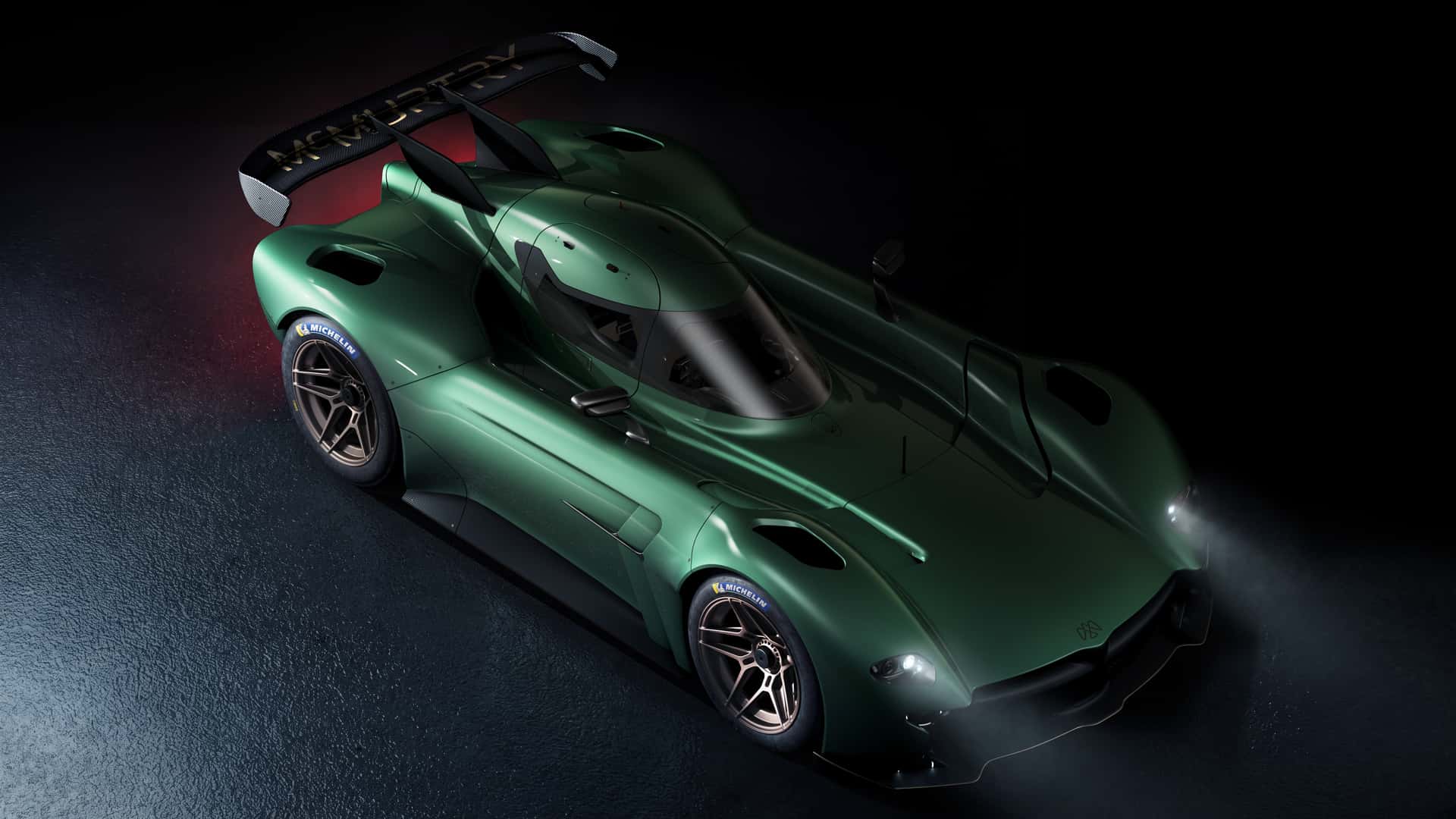
McMurtry unveiled the first Spéirling prototype in 2021, and it was quite a sight to see it race up the hill at the Goodwood Festival of Speed for the first time. If you've been waiting for a single-seat hypercar that can hit 60 mph in 1.55 seconds (with a one-foot rollout) thanks to a unique fan system that sucks it down to the ground, then this is the car for you. It costs $1.36 million before taxes and customizations, and only 99 will be built.
The Spéirling has grown compared to the original prototype and undergone some design tweaks, but it’s still every bit as mad. Its wheelbase has grown from 78.7 inches to 86.6 inches to accommodate a larger battery, and it’s 14% wider and 11% longer overall. McMurtry says the production car is 95% new compared to the prototypes, which is a polite way of saying this is a near-total rework.
 View Price on Amazon
It features a 100-kilowatt-hour battery pack, which the manufacturer says should be enough for up to 31 miles at Le Mans Prototype 2 race car pace. There are no EPA range estimates because the Spéirling isn’t road-legal, but McMurtry previously said that it should be good for around 300 miles of normal on-road driving, although the information is not present in the latest press release.
Charging from 20% to 95% can take anywhere between 20 and 60 minutes, depending on charger output, ambient temperature, and battery temperature. The larger battery and overall size mean it’s heavier than the original prototype, up from 2,315 pounds in the original 60 kWh car to 2,980 pounds in the series model. With 1,000 horsepower going to the rear wheels alone, McMurtry says it has a top speed of 190 mph.
Thanks to its unique fan system, the Spéirling can generate up to 4,400 pounds of downforce on demand and even while stationary. It features skirts to generate all that downforce, but they can be retracted when not needed, and the car has its own onboard air compressor to do so. Prototypes needed an external source of compressed air to lift the skirts.
The all-important fan system has been updated, too. It features two fans for redundancy, which get new motors, new blades, revised cooling, and a relocated fan assembly. It allows the vehicle to pull up to 3g through the corners, which it can also do under braking.
There are many other changes. It rides 20% higher than the prototype and has wider tires with more sidewall. There’s a small stowage compartment under the rear spoiler, where a helmet and not much else will fit. It also has headlights and taillights now, complete with blinkers and hazards. The seat is molded to the owner’s body for a perfect fit, and even though it still looks pretty small, McMurtry says a driver up to 6 feet 7 inches tall can fit inside.
Source: insideevs.com

