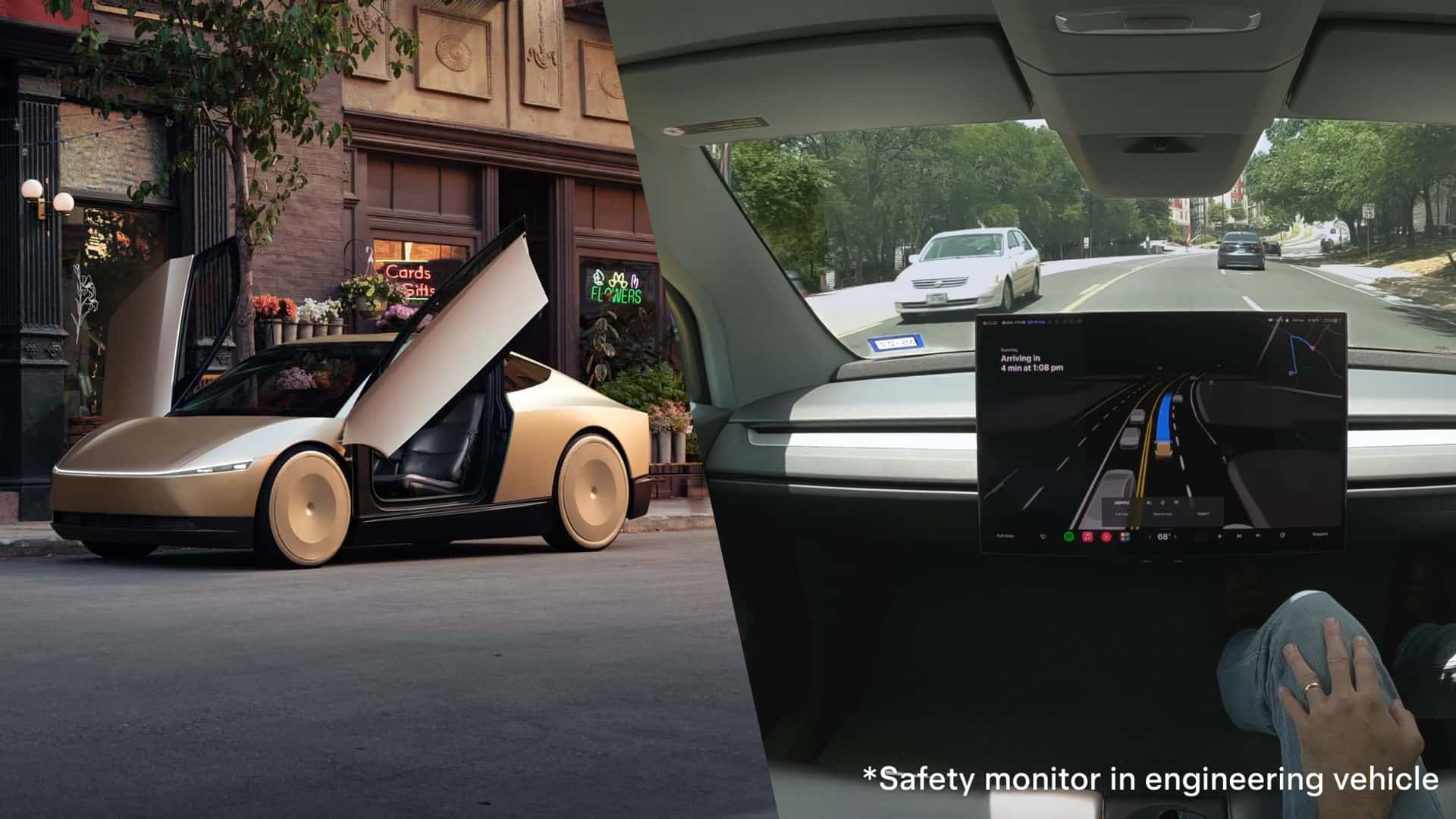
Tesla has begun testing a steering-wheel-free version of its Cybercab robotaxi in Austin, Texas. The company announced the news on X with a 27-second video showing a safety monitor sitting in the right seat of the Cybercab. The vehicle was designed to have a cabin free of traditional driving controls, as confirmed by CEO Elon Musk at its launch event in October 2024.
Until now, the prototypes seen testing in public have featured traditional steering wheels and pedals. However, this design poses its own challenges, particularly when it comes to backup options for first responders or company employees who may need to maneuver the vehicle in case of an emergency. Both Tesla and Waymo's commercially deployed robotaxis feature steering wheels and pedals for this purpose.
 View Price on Amazon
The Cybercab's no-wheel design may not be as easy to control as its competitors, especially since Tesla plans to sell the vehicles to private customers. This would be a significant departure from its rivals, which operate their own robotaxis and can remotely control them or retrieve them in case of a software or hardware issue. If a private owner encounters a problem with their Cybercab, they may not be able to move the vehicle on their own.
Tesla's autonomy plans are still moving forward, with the company aiming to make the Cybercab available before 2027. However, the details of how the vehicle will work, particularly in emergency situations, remain unclear. As with many of Tesla's projects, the timeline and approach are fuzzy and subject to change.
For now, we can only speculate about the potential of the Cybercab and whether it can match Waymo's capabilities. One thing is certain, though: the future of autonomous vehicles is exciting and rapidly evolving. As more companies enter the market and technology continues to improve, we can expect to see significant advancements in the coming years.
Source: insideevs.com