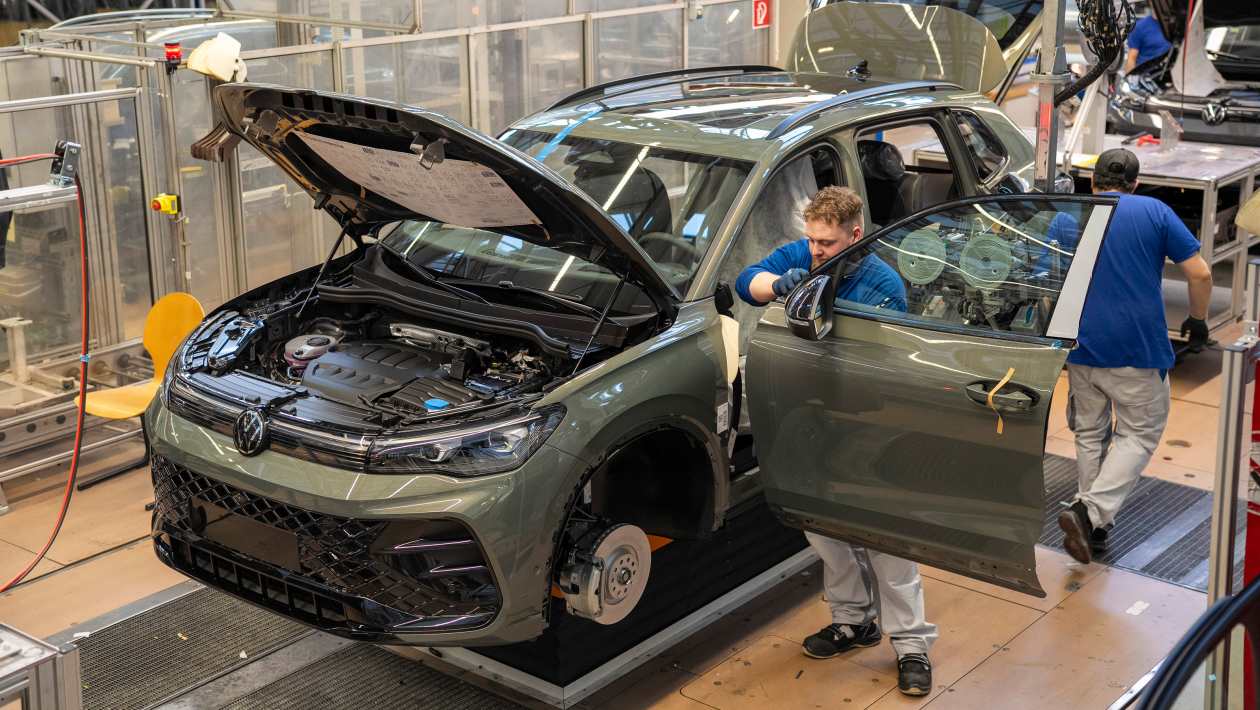
The Volkswagen Group’s executive board has announced that it’s set to reduce its model variant count by 50 percent and complexity within those variants by 75 percent to cut costs. This plan is the next stage of the group’s “realignment to sustainably strengthen its competitiveness”. The goal is to focus investment and resources on the core products that the company says will “more acutely benefit the customer”.
In real terms, it means that unprofitable lines across the entire VW Group will be axed, although at this stage, there is no confirmation which specific models will be affected. The plan also includes an even more intensive harmonization of the group’s development programs, further reducing the number of different platforms, electronic architectures, and software landscapes.
 View Price on Amazon
By reducing complexity, VW says it will avoid parallel development programs, but market diversity will remain, as it will retain two branches of its future development programs split between the western and eastern hemispheres. Perhaps the most contentious part of this plan is a further reduction in global production capacity, with a new target of 9 million units per year by 2030, down from a post-Covid figure of 12 million units.
German automotive workers unions hold incredible amounts of power, making any plant closures a difficult and costly process, and a politically problematic one for public officials involved. There’s been no confirmation of which plants will bear the brunt of these cuts, but closures are inevitable – with those factories that produce the group’s more niche models with thin profit margins most at threat.
The group says these decisions are being forced upon it by intensifying challenges across global markets, driven largely by extra costs for its American business due to tariffs, as well as heightened competition from new-age Chinese brands and unstable geopolitics.
Source: autoexpress.co.uk